
Fibremaxxing sounds like something made for TikTok…
…because it is.
But unlike many nutrition trends circulating around online, this one actually has a pretty solid idea behind it. The goal is simple: eat more fiber.
And for most people, that is not a bad idea. Many everyday diets are still light on fiber because they are built around convenience foods, refined grains, animal proteins, and quick snacks that do not bring much plant fiber to the table.
Vegans and plant-forward eaters may already have a head start, since beans, lentils, oats, berries, vegetables, seeds, whole grains, and greens are naturally fiber-rich. But even then, more fiber does not always equal better digestion.
So, is fibremaxxing worth it?
What Is Fibremaxxing?
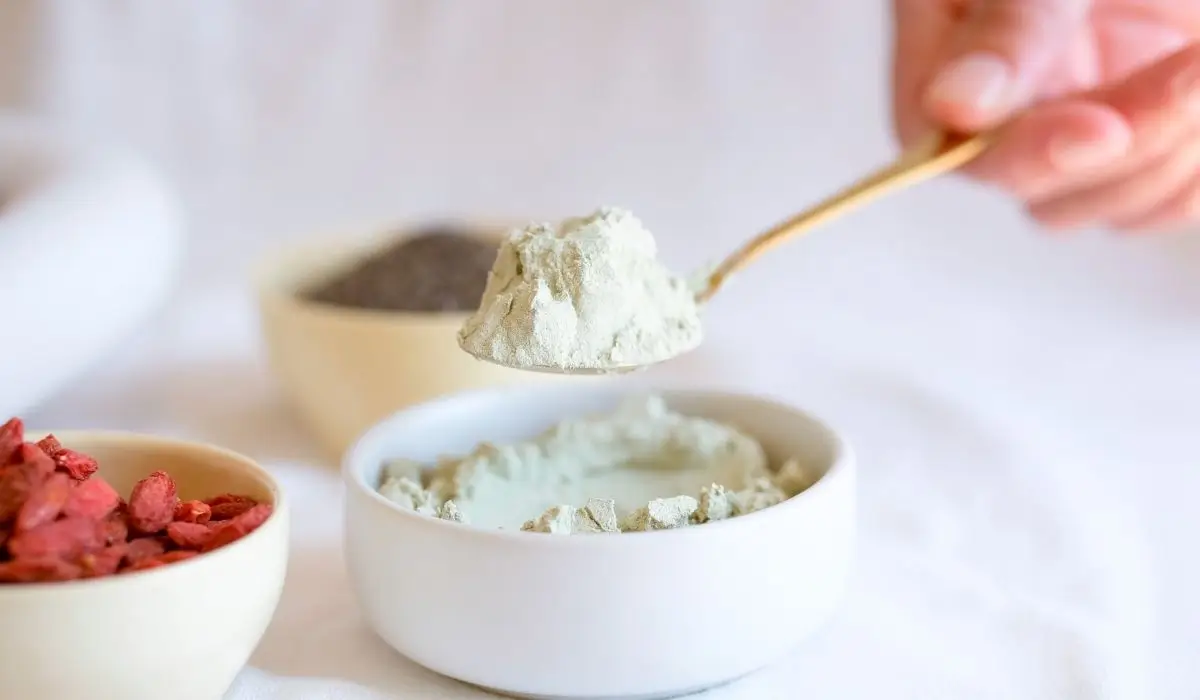
Fibremaxxing is where you intentionally increase your daily fiber intake, often by building your meals around beans, vegetables, fruit, seeds, oats, and other high-fiber foods.
The trend has picked up because fiber supports a lot of things people care about:
- Gut health
- Regularity
- Fullness
- Blood sugar balance
- Cholesterol support
- A healthier microbiome
Mayo Clinic Press describes fibermaxxing as aiming to meet, and sometimes exceed, daily fiber recommendations. They note that fiber is important, but pushing intake too quickly can cause bloating, cramping, constipation, or gas (Mayo Clinic Press, 2026).
Why Most People Could Use More Fiber
Fibremaxxing is not only a vegan conversation. In fact, vegans may already be closer to the goal because plant foods are the source of fiber. Animal foods do not contain fiber, and many standard American meals are heavy on refined carbs, meat, dairy, and packaged snacks.
That means a lot of people are missing out on one of the simplest daily levers for gut health and fullness: more fiber-rich plants.
Good everyday fiber sources include:
- Lentils, chickpeas, black beans, and edamame
- Oats, quinoa, brown rice, and whole-grain bread
- Berries, apples, pears, oranges, and avocado
- Broccoli, carrots, sweet potatoes, peas, and leafy greens
- Chia seeds, flaxseeds, hemp seeds, and pumpkin seeds
- Nuts (and nut butters)
- Beta-glucan-rich foods like oats, barley, and yeast-based foods
The 2025-2030 Dietary Guidelines for Americans really emphasize that vegetables, fruits, whole grains, beans, peas, lentils, nuts, seeds, and other nutrient-dense foods be part of your healthy eating pattern (US Department of Agriculture and U.S. Department of Health and Human Services, 2026).
So yes, vegans can absolutely benefit from a smarter fiber routine. But the bigger opportunity is for anyone who is not consistently getting enough plants, prebiotic fiber, or gut-supportive nutrition in their day.
That is also where a simple daily shortcut can help. Avaia™ brings together precision-fermented vegan protein, fiber, beta-glucan, and a fruit-and-greens blend in one scoop, so you don’t have to rely on perfect meal prep to get more plant-based nutrition into your routine.
When Fibremaxxing Helps

Fibremaxxing can be worth it if your current diet is low in plants, low in variety, or heavy on refined foods.
It may help you feel:
- Fuller between meals
- More regular
- Less afternoon snack cravings
- More steady after meals
- More connected to your gut health
Not All Fiber Functions the Same Way
This is the part fibremaxxing often skips. Fiber is not one single thing. Different types of fiber behave differently in your body.
Some fiber mostly adds bulk and helps move things along. Some fiber dissolves in water and helps form a gel-like texture in the gut. Some fiber is fermentable, which means your gut bacteria can break it down and produce short-chain fatty acids. These compounds are one reason fermentable fibers are so interesting for gut health, appetite signals, and metabolic wellness.
A simple way to think about it:
- Insoluble fiber helps add bulk and support regularity
- Soluble fiber can help with fullness and digestive comfort
- Fermentable fiber feeds beneficial gut bacteria
- Beta-glucan is a fermentable fiber found in foods like oats, barley, mushrooms, and yeast
Fiber also feeds beneficial gut bacteria. As your gut microbes ferment certain fibers, they produce short-chain fatty acids that support gut and metabolic health. That is one reason fiber has become such a big part of the modern gut health conversation.
This is where Avaia has a more specific role than a typical protein powder. Our PichiaProtein+™ is a precision-fermented vegan protein system made from whole Pichia yeast, not yeast extract, so it naturally retains fiber and beta-glucan, a fermentable fiber connected to gut health, fullness, and metabolic support. Avaia also combines 10 g of protein per serving with fiber, beta-glucan, and a fruit-and-greens blend.
When Fibremaxxing Backfires (A Horror Story)
The most common mistake is going from “I eat a little fiber” to “I am now a human-bean” overnight.
Your gut may need time to adapt, and if you suddenly add lentils, chia pudding, raw kale, high-fiber wraps, protein bars, and psyllium on the same day, your digestion may struggle to keep up.
Here are some signs you may be overdoing it:
- Bloating that feels uncomfortable
- Gas that feels excessive
- Constant constipation
- Overly loose stools
- Cramping
- A heavy, too-full feeling
Verywell Health’s 2026 coverage of “fiber training” suggests that you rather increase your fiber gradually, spreading it across meals, choosing gentler sources when needed, and drinking enough water so the fiber can do its job on the comfortable setting (Verywell Health, 2026).
This is especially important if you have IBS, inflammatory bowel disease, a sensitive gut, or a history of disordered eating. In those cases, talk with a qualified health professional before chasing any new food trend.
A Smarter Fibremaxxing Plan

Start With One Upgrade Per Meal
Do not overhaul everything. Add one simple fiber boost at a time.
Try:
- Oats instead of refined cereal
- Lentils added to the soup
- Berries with breakfast
- Avocado on toast
- Chia or flax in a smoothie
- Roasted vegetables at dinner
- Beans added to a grain bowl
- A daily Avaia smoothie when you want protein, fiber, beta-glucan, and fruits and greens without building a huge meal from scratch
Mix Your Fiber Types
A balanced fiber-focused day might include:
- Soluble fiber from oats, beans, apples, and chia
- Insoluble fiber from vegetables, whole grains, and seeds
- Fermentable fiber from legumes, beta-glucan, onions, garlic, and resistant starch
You do not need to memorize the categories. Just rotate your plants.
Make Your Smoothies Smarter (And Smoother)
Smoothies are an easy place to add fiber, but they can also become too much.
A fiber-friendly smoothie formula:
- Avaia™
- Berries or a banana
- Water or plant milk
- Ground flax or chia, if tolerated
- Ice
- Spinach (optional)
Avaia keeps it simple because one scoop already brings precision-fermented vegan protein, fiber, beta-glucan, and fruits and greens. It is also vegan, non-GMO, soy-free, dairy-free, gluten-free, and designed for daily use.
So… Is Fibremaxxing Worth It?
Yes, but the best version is not the extreme one.
For most people, fibremaxxing is worth it when it helps you eat more plants, get more fermentable fiber, and support your gut without turning every meal into a fiber contest.
For vegans, it can be a helpful reminder to vary fiber sources and avoid overloading the same beans, seeds, and raw vegetables every day.
For everyone else, it can be a nudge to close the fiber gap in a realistic way.
If you want a simple place to start, build one daily meal or smoothie around protein, fiber, plants, and hydration rather than trying to overhaul everything, everywhere, all at once.
Ready to make your fiber routine feel simpler?
References
- Mayo Clinic Press. (2026). Fibermaxxing: Is This TikTok Trend Good for You? Available at: https://mcpress.mayoclinic.org/nutrition-fitness/fibermaxxing-is-this-tiktok-trend-good-for-you/
- U.S. Department of Agriculture and U.S. Department of Health and Human Services. (2026). Dietary Guidelines for Americans, 2025-2030. Available at: https://www.fns.usda.gov/cnpp/dietary-guidelines-americans
- Verywell Health. (2026). A Dietitian Explains Why You Should Be “Fiber Training,” Plus 5 Tips to Start. Available at: https://www.verywellhealth.com/fiber-training-11961590
- Marie Claire UK. (2026). Eating More Fibre but Feeling Bloated? You Could Be Making These Common Mistakes. Available at: https://www.marieclaire.co.uk/health-fitness/fibre-bloating-common-mistakes
- PETA. (2025). Our Guide to Fibermaxxing. Available at: https://www.peta.org/lifestyle/food/fibermaxxing/


