GLP-1 (glucagon-like peptide-1) is a hormone your gut releases after you eat. It helps steady blood sugar, slows how quickly your stomach empties, and communicates to your brain when you’re getting full.
Because of this, GLP-1 has become a major target for modern medications used in type 2 diabetes and medical weight management. Understanding the hormone itself is the first step to making sense of GLP-1 drugs, supplements, and nutrition. Certain bioactive fibers, including beta-glucan, have been shown to reduce weight and fat (adipose tissue).
What Is GLP-1?
GLP-1 (glucagon-like peptide-1) is a hormone your gut releases, mainly in the small intestine, after you eat. It helps control blood sugar, slows how fast your stomach empties, and tells your brain you’re getting full.
An updated 2024 review of incretin hormones highlights GLP-1 as a key regulator of post-meal glucose control and satiety, helping to coordinate signals between the gut, pancreas, liver, and brain. This hormone forms part of the incretin system, which secretes the hormones that help your body digest a meal and keep blood sugar under control.
In simple terms, the GLP-1 hormone:
- Reduces how much sugar your liver sends into your bloodstream
- Helps your pancreas release insulin when blood sugar is high
- Sends signals to your brain that you’re getting full
- Slows how fast food leaves your stomach
How Does GLP-1 Work?
After you eat, your blood sugar rises. GLP-1 helps smooth this out by telling your pancreas to release more insulin and your liver to release less sugar, which reduces big spikes and crashes. It also slows how quickly food leaves your stomach, so you feel satisfied with a normal meal, stay full for longer, and have fewer cravings.
GLP-1 Medications and Weight Loss
GLP-1 medication, GLP-1 drugs, or GLP-1 receptor agonists (GLP-1 RAs) refer to a group of prescription medicines that act on the same pathway as the natural hormone
GLP-1 Agonists for Type 2 Diabetes
RAs were first used for type 2 diabetes by binding to natural receptors and mimicking or boosting GLP-1’s effects. This helps improve blood sugar control with a lower risk of dangerously low blood sugar than some older drugs. These RAs can improve cardiovascular and kidney outcomes in people with type 2 diabetes, in addition to better glucose control.
GLP-1 Weight-Loss Drugs
In a large trial of once-weekly semaglutide 2.4 mg in adults with overweight or obesity, people on the GLP-1 drug lost significantly more weight than those on placebo when both groups also received lifestyle support. Results like this heavily inform today’s GLP-1 weight loss injections and pills, such as semaglutide (Ozempic, Wegovy), liraglutide (Victoza, Saxenda), and tirzepatide (Mounjaro).
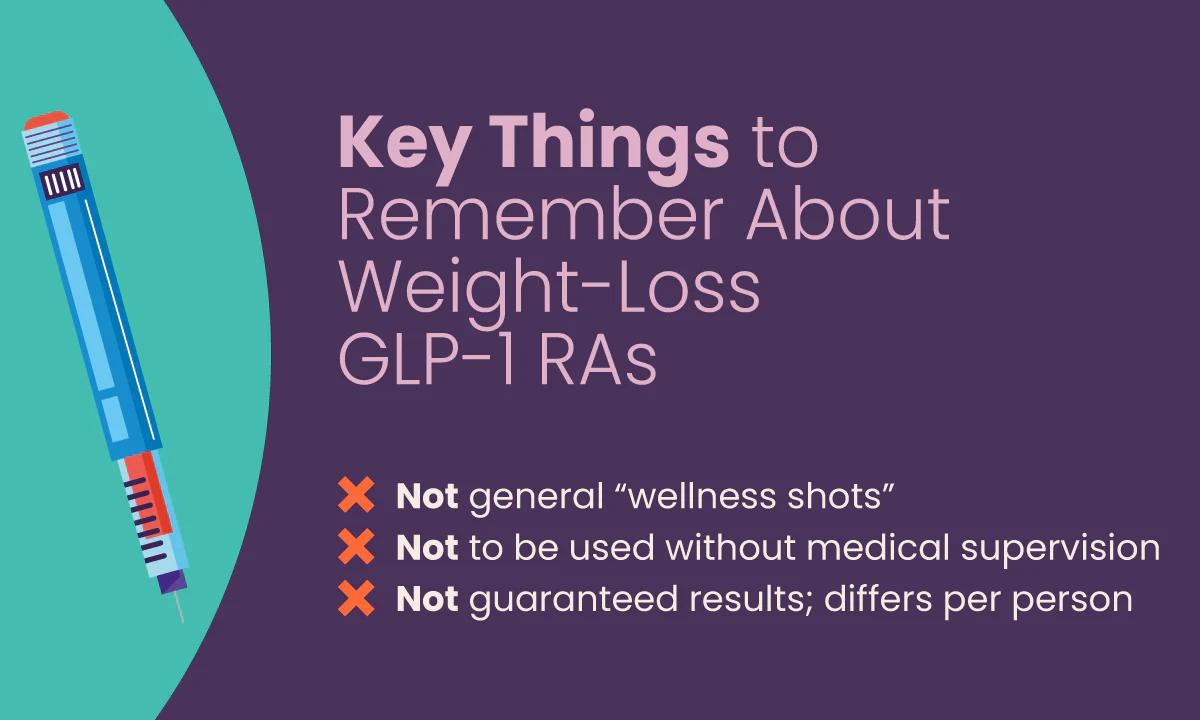
Disclaimer: This article is general education, not medical advice. Always speak to your doctor before starting, stopping, or changing any GLP-1 medication.
GLP-1 Side Effects and Safety
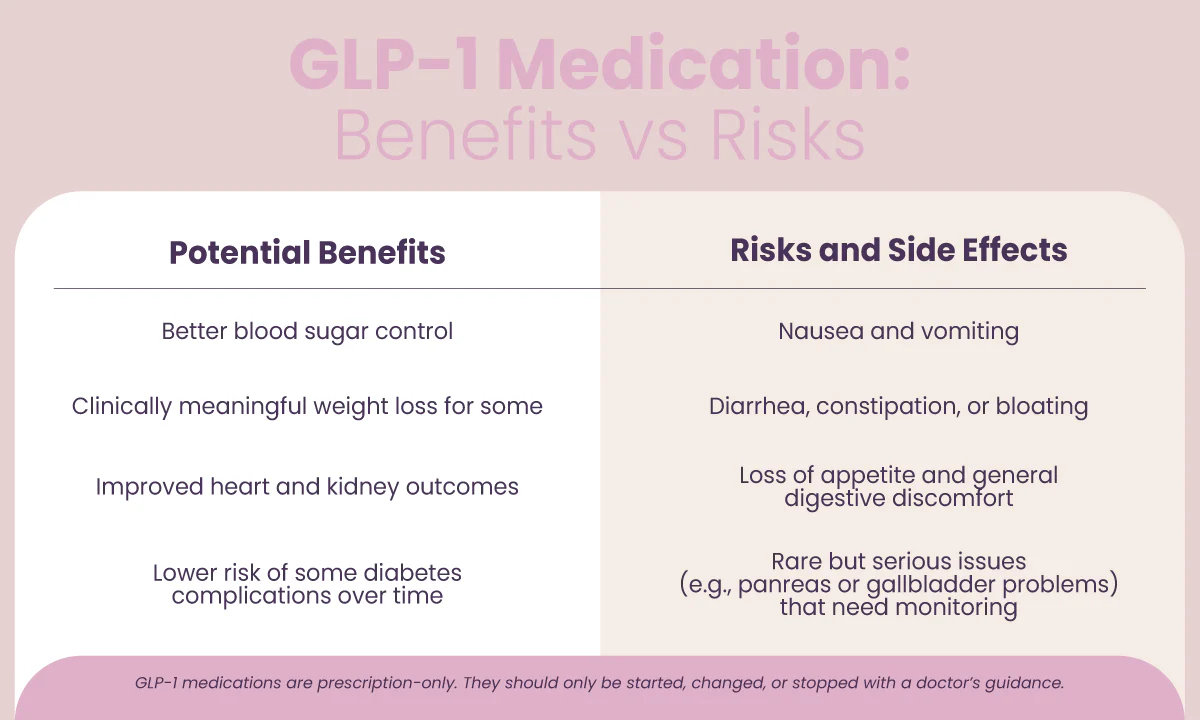
While helpful, GLP-1 agonists are not gentle supplements, so it is crucial to understand the potential side effects with your provider before starting use. The following are common effects, with severity differing:
- Nausea
- Vomiting
- Diarrhea or constipation
- Bloating or stomach pain
- Reduced appetite
Serious Risks and Why Follow-Up Matters
Less common but more serious concerns can include:
- Gallbladder issues
- Problems involving the pancreas
- Rare but worrying mental health challenges
Because of this, safe use of GLP-1 drugs reinforces why clear, medical reasons behind use are advised. Ensure your treatment is personalized, with your medical history in mind. Ongoing check-ups about symptoms, weight, blood work, and mental health are crucial to maintain safety.
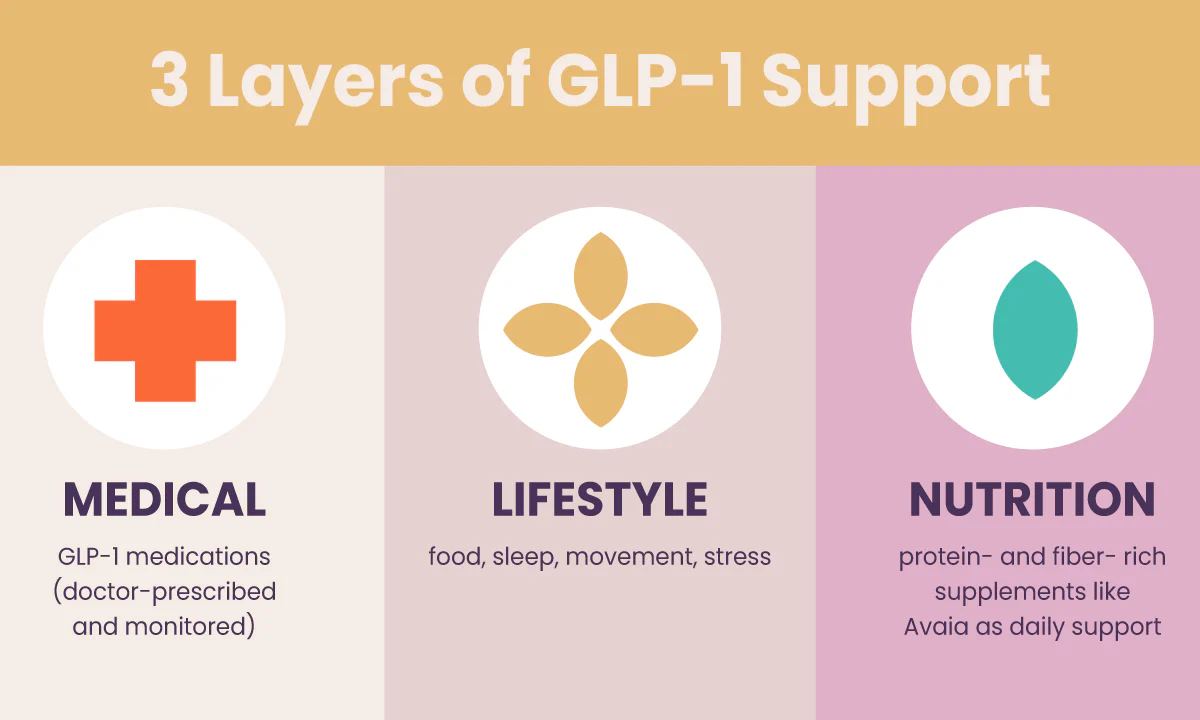
Supporting GLP-1 Naturally With Food and Lifestyle
Emerging research shows that not all fibers behave the same way. Beta-glucan, a soluble and bioactive fiber found in sources such as oats and certain yeasts, has been shown to influence GLP-1 signaling by altering the gut microbiota.
Beneficial bacteria that ferment beta-glucan produce short-chain fatty acids, such as butyric acid, which play a direct role in metabolic regulation, glucose control, and satiety signaling.
Fiber-Rich Foods
Some easy examples include oats, beans, lentils, vegetables, fruits, nuts, and seeds. Diets rich in these foods help with
- Better glucose tolerance overall
- Smooth blood sugar after meals
- Healthy gut bacteria
- Slow digestion
Protein and Balanced Meals
Meals should ideally combine protein, fiber, and healthy fats, such as grilled chicken with veggies and avocado, Greek yoghurt with berries, or wholegrain toast with hummus and olive oil. These help you:
- Stay fuller for longer
- Avoid big blood sugar spikes and crashes
- Reduce evening and late-night “panic snacking”
Sleep, Stress, and Movement
GLP-1 doesn’t work in isolation. It’s part of a hormone network influenced by:
- Sleep (poor sleep increases hunger and cravings)
- Stress (chronic stress reshapes appetite and metabolism)
- Movement (regular activity helps your body use blood sugar better)
GLP-1 Supplements and Where Avaia Fits In
Most products that use the term “GLP-1 supplement” are not GLP-1 medications and don’t act like RAs. Instead, they usually aim to increase protein and fiber in your diet, support comfort in the gut, and help you build stable eating patterns.
A simple way to separate them:
- GLP-1 medications: prescription only; act directly on GLP-1 receptors; used for type 2 diabetes and weight management under medical care
- GLP-1 supplements (nutrition-based): over-the-counter, support general gut and metabolic health; don’t replace GLP-1 medication
Note: If you have any chronic condition, take prescription drugs, or are pregnant or breastfeeding, always check with your doctor before adding a supplement.
Avaia’s Pichia-Based Powder in This Context
Avaia’s Pichia-based protein powder is naturally rich in beta-glucan, a bioactive fiber shown in research to influence GLP-1–related pathways through the gut. Unlike fibers that simply add bulk, beta-glucan interacts with gut bacteria, supporting the production of metabolites linked to improved glucose tolerance and appetite regulation.
- Supports your gut daily
- Pichia-based, vegan protein blend
- Naturally high in fiber, including beta-glucan
- Helps hit protein and fiber targets more easily
- Builds a steadier base for appetite and energy
- Designed to mix into meals like smoothies, oats, or bowls
Avaia is one tool you can use alongside food, movement, sleep, and your doctor’s advice.
GLP-1 Frequently Asked Questions
- Is GLP-1 the same as insulin?
No. GLP-1 is a gut hormone that helps your body release insulin more smartly after meals. Insulin is the hormone that actually moves sugar out of your blood and into your cells. - Why do people talk about GLP-1 for weight loss?
GLP-1 affects hunger, fullness, and blood sugar. GLP-1 weight-loss drugs use this pathway, so some people eat less and feel more satisfied on fewer calories, under medical care. - Do GLP-1 supplements work like GLP-1 drugs?
No. GLP-1 supplements or powders are nutritional products. They may help with protein, fiber, and gut support, but they don’t act as GLP-1 receptor agonist medications.
GLP-1 and the Bigger Picture
Day to day, the things that move the needle most with weight loss are still the basics: meals built on protein, fiber, and healthy fats; steady movement; decent sleep; and a gut that isn’t constantly under pressure.
With Avaia’s premium vegan protein powder, we don’t try to replace medical care. Instead, our product aims to make everyday work a little easier. GLP-1 and its RAs may be the headline, but your habits, gut, and daily choices are the real long-term story. Explore more about our health-focused solutions, and revitalize your routine.