
Interest in sustainable protein is growing fast. Many people know about yeast extract, but fewer know about whole yeast protein. Both come from yeast, yet they serve very different roles in food and nutrition.
Understanding the difference helps explain why whole yeast protein may offer a more nutritional profile and sustainability than yeast extract alone.
What Is Yeast Extract?
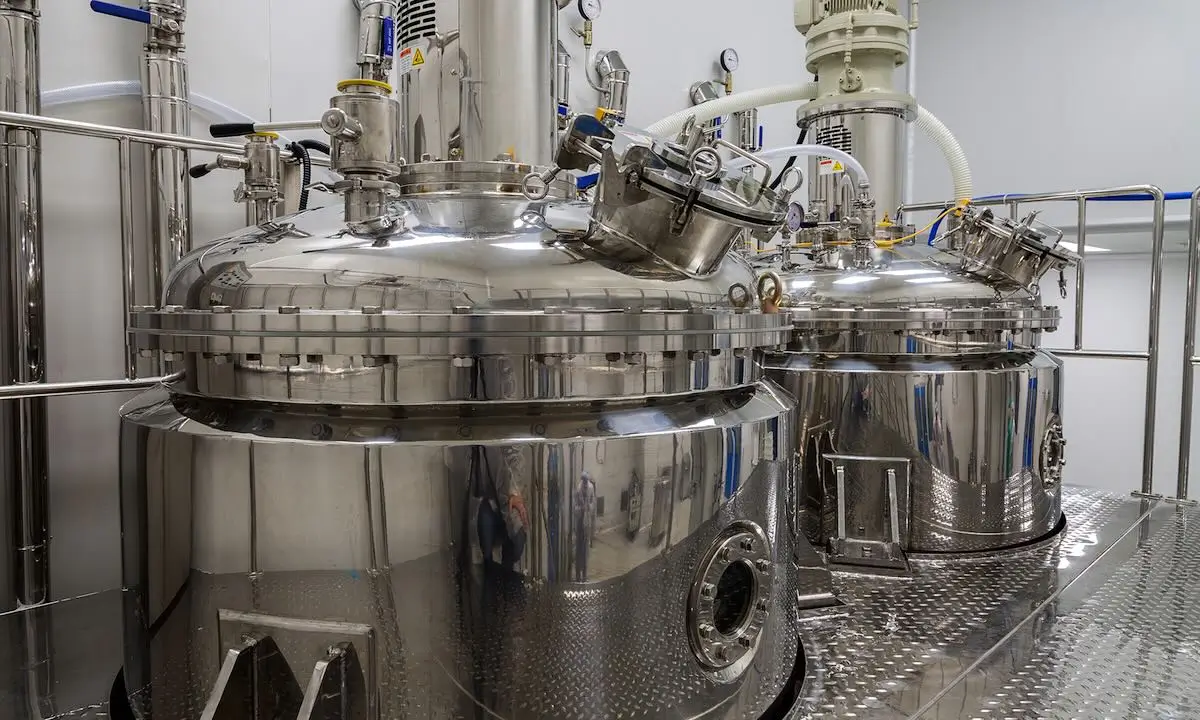
Yeast extract is made by breaking open yeast cells and collecting the soluble parts inside. The result is a concentrated ingredient rich in amino acids and flavor compounds.
Food companies often use yeast extract to add savory or umami taste to products such as soups, sauces, and snacks. Because yeast extract is concentrated, it is usually added in small amounts for flavor rather than nutrition.
Yeast extract may contain:
- Amino acids
- Peptides
- B vitamins
- Natural flavor compounds
Even though it comes from yeast, yeast extract is not typically used as a full protein ingredient. Its main purpose is flavor.
What Is Whole Yeast Protein?
Whole yeast protein uses the entire yeast cell instead of breaking it apart. The yeast is grown through fermentation in controlled tanks. Once the yeast has grown, the full yeast biomass is collected and used as a food ingredient.
Because the yeast cell remains intact, whole yeast protein keeps its natural components, including:
- Protein
- Fiber
- Beta-glucan
This makes whole yeast different from yeast extract. Instead of isolating certain parts of the yeast, the whole nutritional structure remains.
Whole Yeast vs. Yeast Extract

Both ingredients start with yeast, but their production methods lead to different results.
Yeast Extract
- Yeast cells are broken apart
- Soluble compounds are removed
- Mainly used for flavor
- Does not retain the full yeast structure
Whole Yeast Protein
- The full yeast cell is preserved
- Contains protein and fiber together
- Retains natural beta-glucan
- Can be used as a complete protein ingredient
- Provides all nine essential amino acids
This difference matters because the cell structure of yeast contains valuable nutrients. When yeast cells are broken down to create extracts, some of these structural benefits are lost.
Whole yeast keeps those elements intact.
How Fermentation Produces Whole Yeast Protein
Whole yeast protein is produced through precision fermentation.
During fermentation, yeast grows in tanks filled with nutrients. The yeast converts those nutrients into protein-rich biomass.
The process typically includes three main steps:
- Growing yeast in controlled fermentation tanks
- Allowing the yeast to multiply and build protein
- Harvesting the yeast cells while keeping them intact
Unlike yeast extract production, the yeast cells are not broken down into separate parts. The full cell is used as the final ingredient. This allows the ingredient to keep both protein and functional fiber.
This is the same fermentation process Avaia Nutrition uses to produce PichiaProtein+™. Avaia carefully controls the fermentation environment so the yeast can grow efficiently while keeping the full yeast cell intact. This helps preserve the natural protein, fiber, and beta-glucan found in yeast.
Why Beta-Glucan Matters
One key benefit of whole yeast is the presence of beta-glucan, a natural fiber found in yeast cell walls.
Beta-glucan has been widely studied for its potential health benefits. Research suggests it may help support:
- Gut health
- Immune function
- Healthy blood sugar levels
When yeast is broken down to make extracts, much of the cell wall material is removed. This means the fiber and beta-glucan may not remain in the final ingredient.
Whole yeast protein keeps the cell wall intact. As a result, it naturally includes beta-glucan along with protein. This combination can offer added nutritional value compared with extracts alone.
Are Yeast Ingredients Gluten-Free?

Many people wonder if yeast ingredients contain gluten.
Yeast itself does not contain gluten. It’s a microorganism, not a grain like wheat or barley. However, some yeast extracts are grown using barley-based fermentation media, which may introduce trace gluten.
Modern fermentation systems can avoid these ingredients. When yeast is grown in controlled environments with gluten-free inputs, the resulting protein can also be gluten-free.
For consumers, the best ways to confirm whether a yeast ingredient meets gluten-free standards are:
- Transparent manufacturing practices
- Clear product labeling
PichiaProtein+™ is made using fermentation inputs that do not include gluten-containing grains. This allows the final ingredient to be gluten-free and suitable for people avoiding gluten.
Yeast Protein as a Sustainable Protein Source
Yeast belongs to a group called single-cell protein. This term refers to protein made from microorganisms such as yeast, algae, or bacteria.
Unlike traditional protein sources, microbial protein does not rely on large crop fields or livestock farming.
Fermentation-based protein production offers several advantages:
- Less land use
- Lower water requirements
- No pesticides or herbicides
- No fertilizers
- Consistent production year-round
Because fermentation occurs in controlled tanks, it is less affected by weather or soil conditions. This makes yeast-based protein a promising option for future food systems.
Why Whole Yeast Protein Stands Out
While yeast extract has long been used in food for flavor, whole yeast protein offers a broader nutritional profile.
Many plant protein isolates remove natural fiber during processing. Whole yeast protein is different because the entire yeast cell is preserved.
This allows the ingredient to contain:
- Complete protein
- Natural fiber
- Beta-glucan
Together, these components create a more balanced ingredient. Whole yeast protein also blends well into foods and beverages, making it suitable for modern nutrition products such as protein powders, shakes, and functional foods.
For companies developing sustainable nutrition solutions, whole yeast protein offers both nutritional and environmental advantages.
Avaia: A New Generation of Yeast-Based Protein
As fermentation technology advances, yeast is becoming an important source of next-generation protein. Understanding the difference between yeast extract and whole yeast protein helps clarify how ingredients are evolving.
Yeast extract continues to serve a role in food flavoring. However, whole yeast protein provides a more complete nutritional system, including protein and beta-glucan fiber in one ingredient.
Avaia Nutrition develops precision-fermented PichiaProtein+™, a clean vegan protein made from whole yeast. Because the full yeast cell is used, the ingredient naturally retains its fiber and functional components.
Learn more about how yeast-derived protein fits into daily wellness. Explore Avaia.


