
Healthy used to sound like a label you could slap on a granola bar, a workout plan, or a fridge full of greens and call it a day. In 2026, it has become a little more personal than that.
The people are tired of all-or-nothing wellness rules that are hard to stick to. They want energy that lasts, digestion that flows smoothly, meals that are simple to keep up with, and routines that don’t ruin lives.
Less About Looking Well and More About Feeling Steady

The biggest shift in wellness right now is that people are asking better questions.
Not:
“Will this make me look healthy?” (Healthy usually shows up on the outside when your body feels supported on the inside anyway)
But rather:
“Will this help me still feel good by 3 PM?”
“Will this support my gut?”
“Will this keep me full without feeling heavy?”
“Can I keep doing this month after month?”
Healthy in 2026 is practical; It fits real mornings, busy schedules, imperfect grocery runs, and ever-changing bodies.
A simple day might look like:
- A breakfast with protein, fiber, and color
- A walk that clears your head
- Enough water that you are not running on coffee alone
- Meals that support steadier energy and blood sugar
- A supplement routine that fills real gaps, not a whole cabinet
- Sleep that gets treated like a part of the day, not a reward
The current US nutrition guidance is also moving in this direction, with more emphasis on protein, fruits, vegetables, whole grains, healthy fats, and limits on highly processed foods, added sugars, and refined carbohydrates (U.S. Department of Agriculture and U.S. Department of Health and Human Services, 2026).
The New Healthy Has Three Main Ingredients
1: Food That Fuels
A meal in 2026 does not have to be tiny, bland, or complicated. It should help you feel fed.
That usually means some version of:
- Protein for fullness, muscle support, and steady energy
- Fiber for gut health, digestion, and appetite support
- Healthy fats for satisfaction
- Plants for vitamins, minerals, and polyphenols
- Carbs that make sense for your body, activity, and routine
The Harvard Healthy Eating Plate still gives one of the more practical visual guidelines: fill half your plate with fruits and vegetables, add whole grains, include healthy protein, use healthy oils, and limit sugary drinks (Harvard T.H. Chan School of Public Health, n.d.).
The point is not to make every plate perfect, but rather to make your default dishes more supportive.
2: A Gut That Feels Like a Friend
Gut health has moved from just another wellness trend to an everyday priority. People are paying more attention than ever to bloating, regularity, cravings, mood, and energy because the gut is connected to so many parts of daily life.
A gut-friendly routine often includes:
- More fiber, added gradually
- A wider variety of plant foods
- Enough water
- Less reliance on ultra-processed snacks
- Meals eaten without rushing when possible
- Prebiotic fibers that feed beneficial gut bacteria
The World Health Organization guidance tells us that many people do not eat enough fruits, vegetables, or dietary fiber, while diets have shifted toward more highly processed foods, free sugars, unhealthy fats, and sodium (World Health Organization, n.d.).
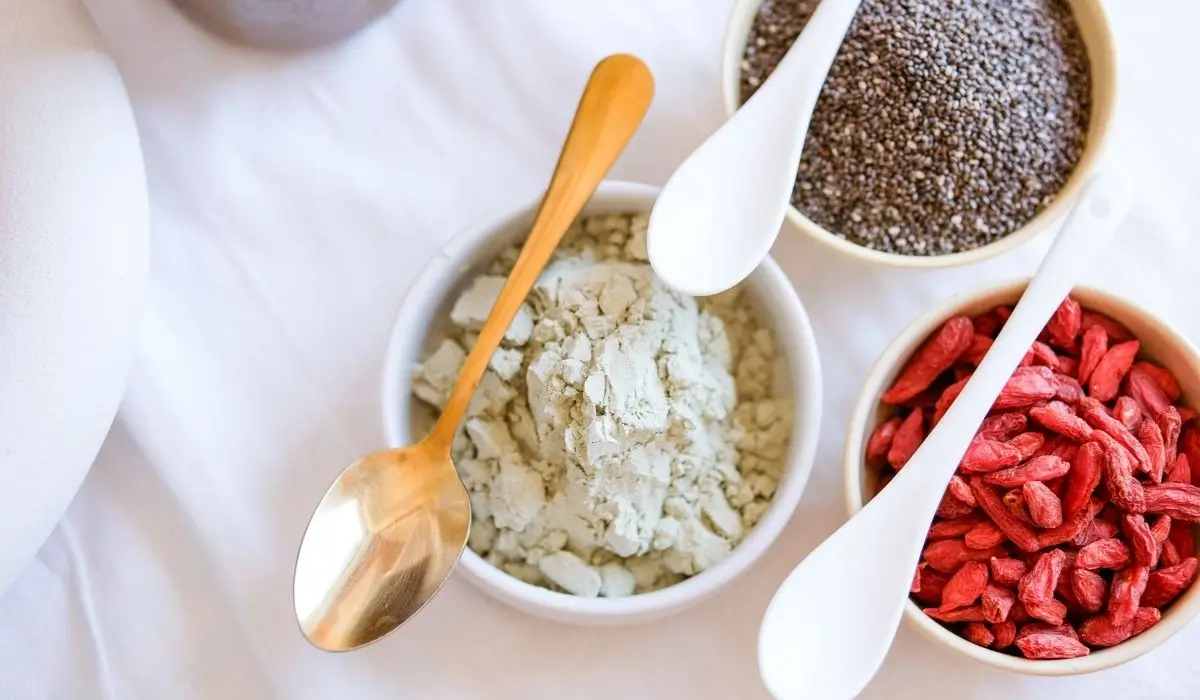
Avaia™ is built around PichiaProtein+™, a precision-fermented vegan protein system that combines 10 g of protein per serving with fiber, beta-glucan, and a fruit-and-greens blend. This setup is designed to support gut health, metabolic function, immunity, and daily nutrition in one simple scoop.
3: More Even Levels of Blood Sugar and Energy
A lot of people think healthy = willpower. In real life, many cravings and energy crashes are tied to how meals affect your fullness and blood sugar levels.
Protein and fiber work well together because they help meals feel more satisfying and support steadier appetite signals. And we love them for that.
Beta-glucan, a fermentable fiber found in sources such as yeast, oats, and some fungi, is especially interesting because it can interact with the gut microbiome and support the production of short-chain fatty acids. The current research also suggests beta-glucans may play a role in gut, immune, and metabolic health (Wang et al., 2025).
Avaia’s PichiaProtein+™ is naturally high in beta-glucan, making it so much more than a protein powder; it’s closer to a daily nutrition and fiber supplement with protein built in.
What Healthy Does NOT Mean Anymore
Healthy does not have to mean:
- Cutting out every food you enjoy
- Eating the same “clean” meal every day
- Chasing every trend on your feed
- Taking 12 different powders before breakfast
- Feeling guilty when life gets messy
- Choosing the lowest-calorie option every time
It also does not mean believing every front-label claim. In late 2024, the FDA updated its definition of the “healthy” claim for food labeling to better reflect current nutrition science, including food group-based criteria and limits for added sugars, saturated fat, and sodium (US Food and Drug Administration, 2024).
The translation? Health is becoming less about marketing buzzwords and more about what a food brings to your day.
A Simple Healthy Checklist for 2026
Try using this effortless checklist.
Your Morning
Ask yourself:
- Did I get protein?
- Did I get fiber?
- Did I drink water before my second coffee?
- Will this breakfast keep me full?
Easy idea: blend Avaia with Greek yogurt, berries, water, or your preferred milk, and ice. Avaia provides 10 g of protein on its own, and adding Greek yogurt can bring the smoothie closer to about 20 g of total protein, depending on the yogurt used.
Your Meals
Look for:
- Color from fruits or vegetables
- A protein source you digest well
- Fiber from plants, whole grains, beans, seeds, or beta-glucan-rich foods
- Enough food to feel satisfied
Your Routine
Keep it simple:
- Walk whenever you can
- Get some morning light when possible
- Build a manageable bedtime routine
So… What Does Healthy Actually Mean?
Healthy in 2026 is a rhythm:
- It’s choosing food that helps you feel steady
- It’s caring about your gut without turning your life into an ongoing science project
- It’s getting enough protein without forgetting fiber
- It’s wanting clean ingredients, but also something that tastes good and fits into your day
Most of all, it’s gotta be sustainable. Not just for the planet (although that does matter), but sustainable for your schedule, your budget, your appetite, and your life.
Ready to make healthy feel easy? Subscribe to Avaia Nutrition today!
References
- Harvard T.H. Chan School of Public Health. (n.d.). Healthy Eating Plate. Available at: https://nutritionsource.hsph.harvard.edu/healthy-eating-plate/
- U.S. Department of Agriculture and U.S. Department of Health and Human Services. (2026). Dietary Guidelines for Americans, 2025-2030. Available at: https://www.fns.usda.gov/cnpp/dietary-guidelines-americans/
- U.S. Food and Drug Administration. (2024). Use of the “Healthy” Claim on Food Labeling. Available at: https://www.fda.gov/food/nutrition-food-labeling-and-critical-foods/use-healthy-claim-food-labeling
- Wang et al. (2025). Mechanistic Insights Into β-Glucans and Gut Microbiota. Available at: https://link.springer.com/article/10.1007/s44187-025-00503-6
- World Health Organization. (n.d.). Healthy Diet. Available at: https://www.who.int/news-room/fact-sheets/detail/healthy-diet


