
Whenever you start feeling bloated, irregular, or just “off,” it is tempting to look for a quick gut health reset from somewhere deep inside. But most extreme cleanses and hard eliminations are not necessary for most people.
When people say their gut feels “off,” they often mean things like frequent bloating, unpredictable bowel habits, more gas than usual, or that heavy, uncomfortable feeling after meals. Sometimes that “off” feeling can happen when digestion is under strain, your gut lining is irritated, and your gut microbiome (the community of microbes in your digestive tract) is not as supported by your day-to-day routine as it could be. Diet and fiber intake can meaningfully influence the gut microbiome, which is one reason simple nutrition fundamentals can make a noticeable difference.
Your gut is not separate from the rest of you. Your digestive system interacts closely with immune, metabolic, and inflammatory pathways in the body. That does not mean every symptom is “a gut issue,” but it does explain why improving digestion basics can have a ripple effect on how you feel day to day.
Poor digestive health can manifest as issues such as constipation or ongoing discomfort. Some people also live with diagnosed conditions like inflammatory bowel disease (IBD), Crohn’s disease, or ulcerative colitis, which require medical care and individualized nutrition. And while gut symptoms do not mean cancer, it is true that colorectal cancer rates in adults under 55 have been increasing in recent decades, which is one reason persistent red-flag symptoms should never be ignored.
A more realistic “reset gut health” approach is simple: go back to digestion-friendly basics, then build variety and consistency from there. This will safely support your gut microbiome and day-to-day digestion without turning your life upside down (and inside out).

A good gut health reset is not a detox. It is a short, focused window where you try to:
Your diet strongly influences your gut microbiome and digestion, especially when you prioritize minimally processed foods and adequate fiber.
If any of the below are true, skip the “reset” and talk to a licensed clinician:
These can signal an urgent need for medical evaluation.

This plan is food-first, but it can also work well alongside a consistent daily nutrition routine. For example, any formula with naturally high levels of beta-glucan (a type of bioactive fiber) will do wonders for gut problems. Beta-glucans are widely studied for their prebiotic potential (they can help support beneficial gut microbes) and broader gut-immune interactions.
You can do this in 7 days, but 14 days usually gives you enough time to spot patterns without feeling rushed.
Your goal here is gentle consistency.
Focus on:
Keep it easy on digestion:
Practical meal ideas:
Fiber supports the growth of beneficial gut microbes and improves bowel regularity, but jumping too fast can backfire on you if your gut is sensitive. Start where you are and scale up gradually.
Aim for variety over perfection:
Easy ways to add fiber variety:
This is where you experiment, lightly.
Options to try:
Fermented foods can support gut microbiota for some people, but they are not mandatory, and tolerance varies.
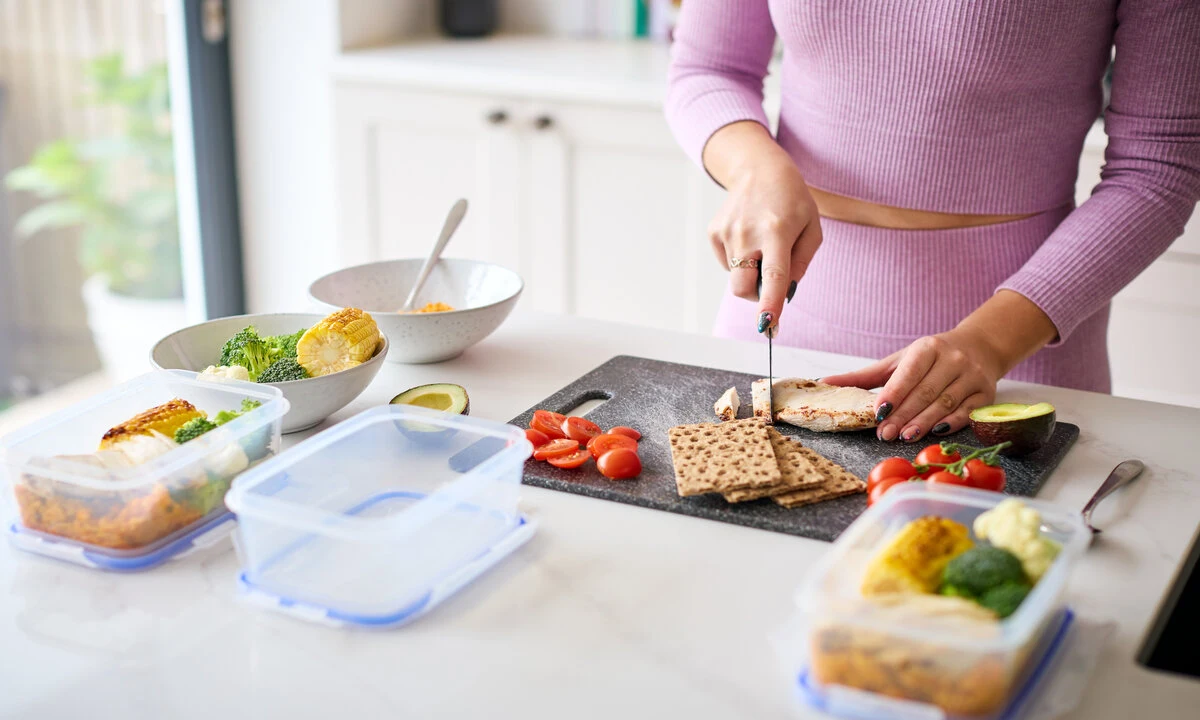
Irregular meals can make digestion feel unpredictable. This reset is a great time to:
Try this out:
Protein supports satiety and steadier energy levels, helping you stay consistent.
Some simple protein options:
If you use a vegan protein powder, look for one that feels easy on your stomach and fits your routine.
Instead of cutting carbs, choose carbs that come with fiber and nutrients:
Fluids support digestion and can help with stool softness and comfort, especially when fiber intake is increased.
Easy hydration target:
Ultra-processed foods can crowd out fiber-rich options and may not support the same microbiome benefits as minimally processed foods.
Try the following;

Some people feel changes in a few days, especially with regular meals, hydration, and simpler foods. Bigger, longer-lasting improvements usually come from consistency over weeks, not a single short reset.
It can be, especially if you increase too quickly. Slow down, increase fluids, and choose more cooked vegetables for a few days.
If bloating is persistent or severe, it is worth discussing with a clinician, as it can have multiple causes and may require a more structured approach.
Most people can start with food and habits first. Always remember that supplements can be very helpful in specific situations, but they should not replace basics like fiber, hydration, and consistent meals.
Pick 3 to start today:
Questions to ask yourself:
If you are not sure whether your symptoms point to a simple reset need or something more, start with our companion guide: 7 Signs of Bad Gut Health. It will help you spot patterns and know when to get extra support.
When you are ready to keep your routine simple, consistent protein can help you build balanced meals day after day. Explore Avaia’s vegan protein options to support your daily nutrition routine.
Browse for more gut-friendly ideas.


