
Gut health affects far more than digestion. It influences energy, mood, immunity, metabolism, and even how full or bloated you feel after eating.
If your gut feels “off,” you might notice bloating, irregular digestion, cravings, or low energy. The good news is that improving gut health does not require extreme diets or complicated routines. Small, consistent changes make the biggest difference.
This guide breaks down how to improve gut health naturally, using food, daily habits, and targeted nutrition support.
What Is Gut Health?

Gut health refers to how well your digestive system functions and how balanced your gut microbiome is. Your microbiome is made up of trillions of bacteria that help digest food, produce nutrients, and regulate inflammation.
When this system is supported, digestion feels smooth and predictable. When it is disrupted, symptoms like gas, constipation, diarrhea, or discomfort become common.
A healthy gut microbiome helps you:
- Digest and absorb nutrients efficiently
- Maintain regular bowel movements
- Support immune balance
- Regulate blood sugar and appetite
How Fiber and Prebiotics Support Gut Health
Fiber is one of the most important nutrients for gut health, yet most adults fall short. Not all fiber works the same way.


Prebiotics are a type of fiber that feeds beneficial gut bacteria. Unlike probiotics, which add bacteria, prebiotics nourish the bacteria you already have.
Prebiotic fibers help improve gut health by:
- Increasing beneficial bacteria
- Supporting regularity
- Reducing bloating over time
- Producing short-chain fatty acids that calm inflammation
This is why prebiotics play a central role in gut health diets and supplements.
Prebiotic Foods That Help Improve Gut Health
You can support gut health by including prebiotic foods regularly. These foods naturally contain fibers that beneficial bacteria ferment in the gut.
Common prebiotic foods include:
- Oats and barley
- Beans and lentils
- Berries and pomegranate
- Leafy greens and sea greens
- Onions, garlic, and leeks
Eating a variety of these foods helps build a resilient and diverse microbiome. Consistency matters more than perfection. “Our work and others has shown that the prebiotic fibers beta-glucan, found in oats and barley, and inulin-like fructans, in onions and leeks, are beneficial for host health by improving the gut microbiome,” says Dr. Duca.
Protein, Satiety, and the Gut Connection
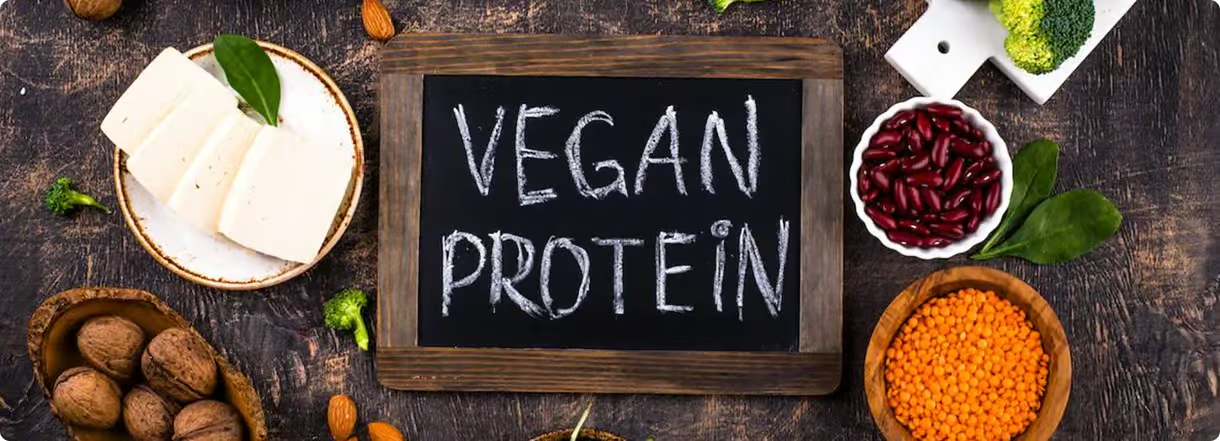
Protein often gets overlooked in gut health conversations, but it plays a key role. Adequate protein supports gut lining repair, muscle health, and stable blood sugar.
When protein and fiber are combined, digestion slows slightly. This helps you feel full without feeling heavy or bloated. Stable blood sugar also reduces cravings that can disrupt gut balance.
Balanced meals that include protein, fiber, and healthy fats support gut comfort throughout the day.
Five Daily Habits That Improve Gut Health Naturally
- Eating meals at regular times
- Chewing food slowly and thoroughly
- Managing stress through walking or breathwork
- Getting consistent, quality sleep
- Moving your body daily, even gently
Gut Health Supplements: When They Make Sense
Gut health supplements can be helpful when diet alone doesn’t meet fiber or protein needs. Many people turn to supplements during periods of digestive stress, travel, or busy schedules.
Effective gut health supplements focus on:
- Prebiotic fiber rather than harsh laxatives
- Gentle, fermentable fibers like beta-glucan
- Clean protein sources that are easy to digest
Unlike stimulant-based products, well-formulated supplements support the microbiome gradually. Most people notice improved comfort and regularity within one to two weeks.
How Long Does It Take to Fix Gut Health?
Gut health improves over time, not overnight. Some people feel less bloated within days of increasing fiber. More noticeable changes in digestion, cravings, and energy often appear within two to four weeks. “Your diet is a main driver of your gut microbiome composition, so consistency in your diet can lead to long-term improvements in gut health,” says Dr. Duca.
The key is steady support, not extreme restriction. Feeding beneficial bacteria daily allows the microbiome to rebalance naturally.
The Bigger Picture of Improving Gut Health

To improve gut health long-term, focus on the basics done well. Fiber-rich foods, adequate protein, regular movement, and stress management work together. You do not need to overhaul your life. You need habits you can repeat.
When gut health improves, many people notice steadier energy, fewer cravings, and a calmer digestive system that supports overall wellness.
Take the Next Step for Your Gut
If you want an easy way to support gut health daily, consider adding a clean, fiber-rich protein supplement designed to nourish the microbiome without causing bloating. Avaia Nutrition offers a precision-fermented protein system naturally rich in beta-glucan to support digestion, satiety, and metabolic balance.
If you’re ready to make gut-friendly nutrition simpler, shop Avaia now and learn more about how it can fit into your routine.


